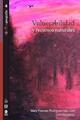


This book offers a multidisciplinary perspective on the current conceptualization of nature, of what we commonly call natural resources. Through reflections drawn from geography, ethics, philosophy, bioethics, economics, and law, it reveals the direct impact of human activity on plant and animal habitats. Two key words suffice: deforestation and overpopulation. However, far from presenting a catastrophic view, it also shows us that it is possible to preserve the environment through the creation of new legal frameworks and the implementation of public policies that regulate its use, care, and conservation. Therefore, it is necessary to transform the conceptual frameworks that schematize nature as property rather than as a diverse and living system of which we are a part. Changing our way of thinking about nature could be the starting point for relearning how to relate to it, how to inh...read more