

La función de la confesión en la justicia
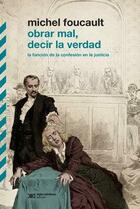
Invited by the School of Criminology of the Catholic University of Louvain, in 1981 Michel Foucault taught the six classes of the course To act badly, to tell the truth. Role of confession in justice, in a context marked by debates between abolitionists and supporters of "iron fist" positions on the reform of the Penal Code. In that sense, the course contributes to undermining the criminological discourse of dangerousness. But Foucault goes further: he reflects on the long history of confession, of "telling the truth" in the judicial and religious institutions of the West, of the powers and effects of the obligation to tell the truth about oneself.
By way of introduction, it evokes a certainly dramatic scene that takes place in the mid-nineteenth century: a French psychiatrist induces a patient who has suffered delusions and hallucinations to recognize that nothing he relates h...read more