

El arte de la versificación teatral
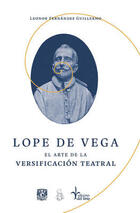
When Lope de Vega (1562-1635) published his famous dramatic treatise, *Arte nuevo de hacer comedias* (New Art of Writing Plays), in 1609, he brought with him the experience of having written more than 480 plays and the endorsement of the aesthetic taste of the Spaniards of his time. In this *Arte nuevo*, in which the great Phoenix of Wits refers to the oral nature of his theater with terms such as hear, listener, audience, sonorous listening, silence, diction, and discourse, he outlined what constitutes an art in itself: that of writing plays in verse, adjusting the content to each type of stanza to create a thematic correspondence: "Adapt the verses prudently to the subjects you are dealing with; décimas are good for laments; the sonnet is well-suited to those who wait; romances are needed for narratives, although they shine brightly in octaves; tercets are for serious matters, and r...read more